

Interview
Silencing ALS
with Neil Shneider, M.D., Ph.D.
August 5, 2026
 Spotify
 Amazon Music
 Apple Podcasts
 Google Podcasts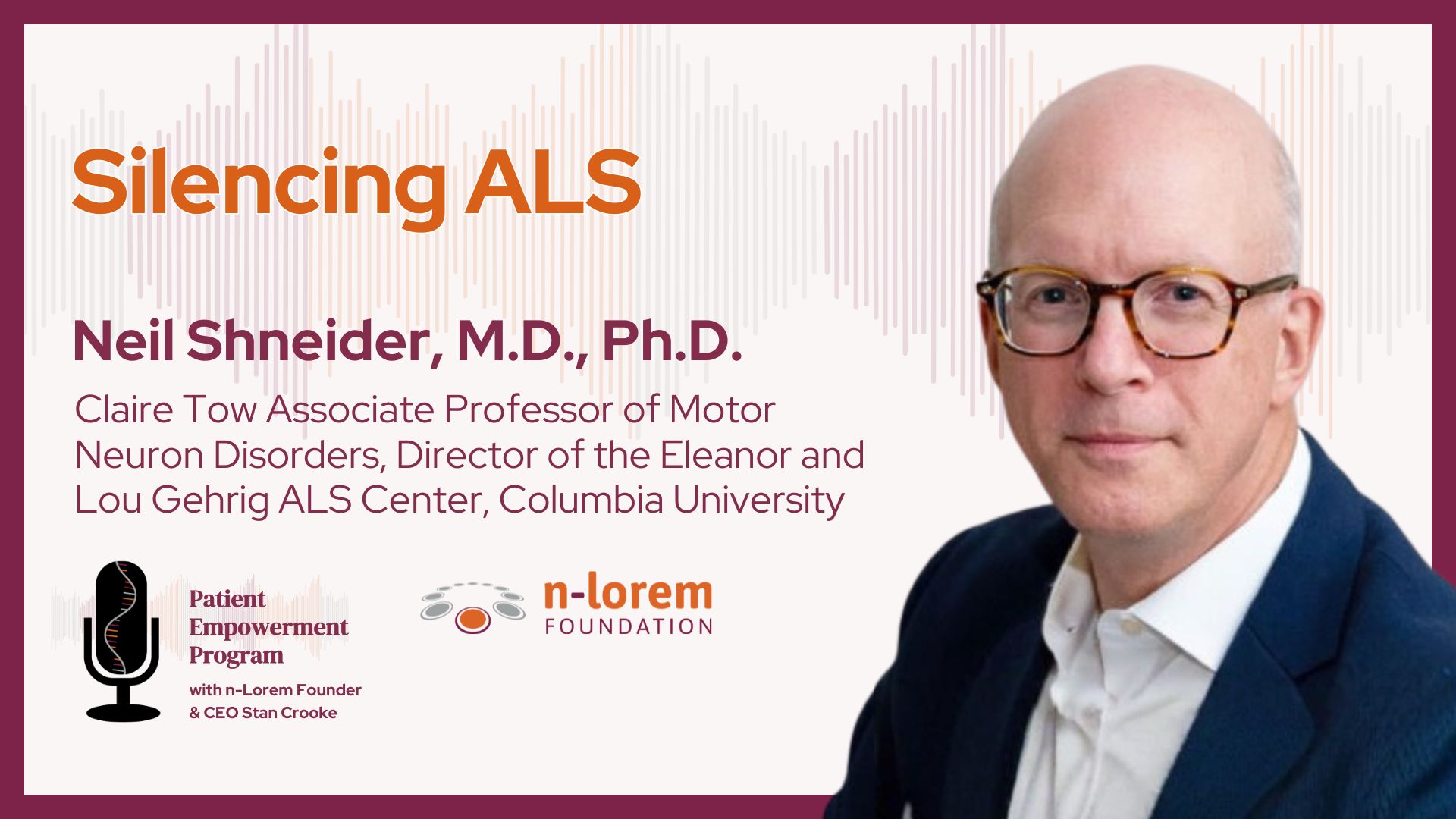
“We’re making demonstrable progress in the rare genetic forms of the disease [ALS], and I think it’s only really a matter of time until that translates to the sporadic forms.” – Neil Shneider, M.D., Ph.D.
On This Episode We Discuss:
- 4:00 – Developing tools to discuss with patients about the real and scary outcomes of ALS, and changing the course of a neurogenerative and fatal disease
- 6:52 – Experimental ASO treatments for genetic forms of ALS
- 9:30 – The creation of Silence ALS to treat extremely rare forms of genetically caused ALS like CHCHD10 and TARDBP and moving the collaboration forward
- 12:36 – Serving present day and future patient populations with the Silence ALS initiative
- 17:30 – Learnings gained from treated nano-rare ALS patients may translate to broader ALS groups
- 22:33 – To ALS patients and families, hope is powerful and makes a difference
Watch on YouTube:
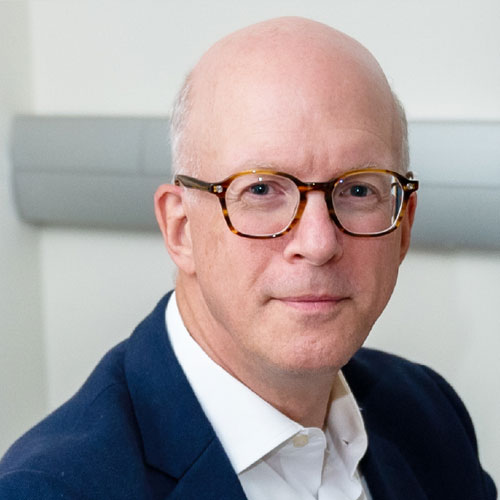
Dr. Neil Shneider serves as the Claire Tow Associate Professor of Motor Neuron Disorders and the Director of the Eleanor and Lou Gehrig ALS Center at Columbia University. He is an investigator in the Center for Motor Neuron Biology and Disease where his lab focuses on the study of models and mechanisms of ALS and the discovery and development of novel therapeutics for ALS and related disorders. Dr. Shneider worked with Ionis Pharmaceuticals to develop ION363 (Jacifusen), an anti-sense oligonucleotide (ASO) for ALS patients with rare mutations in the FUsed in Sarcoma (FUS) gene. Dr. Shneider is a graduate of Harvard College and earned his M.D. and Ph.D. degrees at the Columbia University College of Physicians and Surgeons.
In partnership with n-Lorem and Columbia University, Dr. Shneider founded Silence ALS, an initiative to develop ASOs for ALS patients with nano-rare, pathogenic mutations in ALS genes. Dr. Shneider was co-chair of the Translating Fundamental Research into Potential ALS Therapies Working Group for the NIH ALS Strategic Planning Workshop.
Credits
Hosted by: Dr. Stan Crooke.
Videographer: Jon Magnuson of Mighty One Productions.
Producers: Kira Dineen, Jon Magnuson, Andrew Serrano and Amy Williford.
This episode is made possible thanks to our sponsors:
More from n-Lorem:
See what else we are up to on Twitter, Instagram, Facebook, Linked In, YouTube and our website, nlorem.org. If you enjoy this episode, please rate and review us, as it helps others find our podcast. Questions/inquiries can be sent to [email protected].
2026 Nano-rare Patient Colloquium
Listen to our next interview:
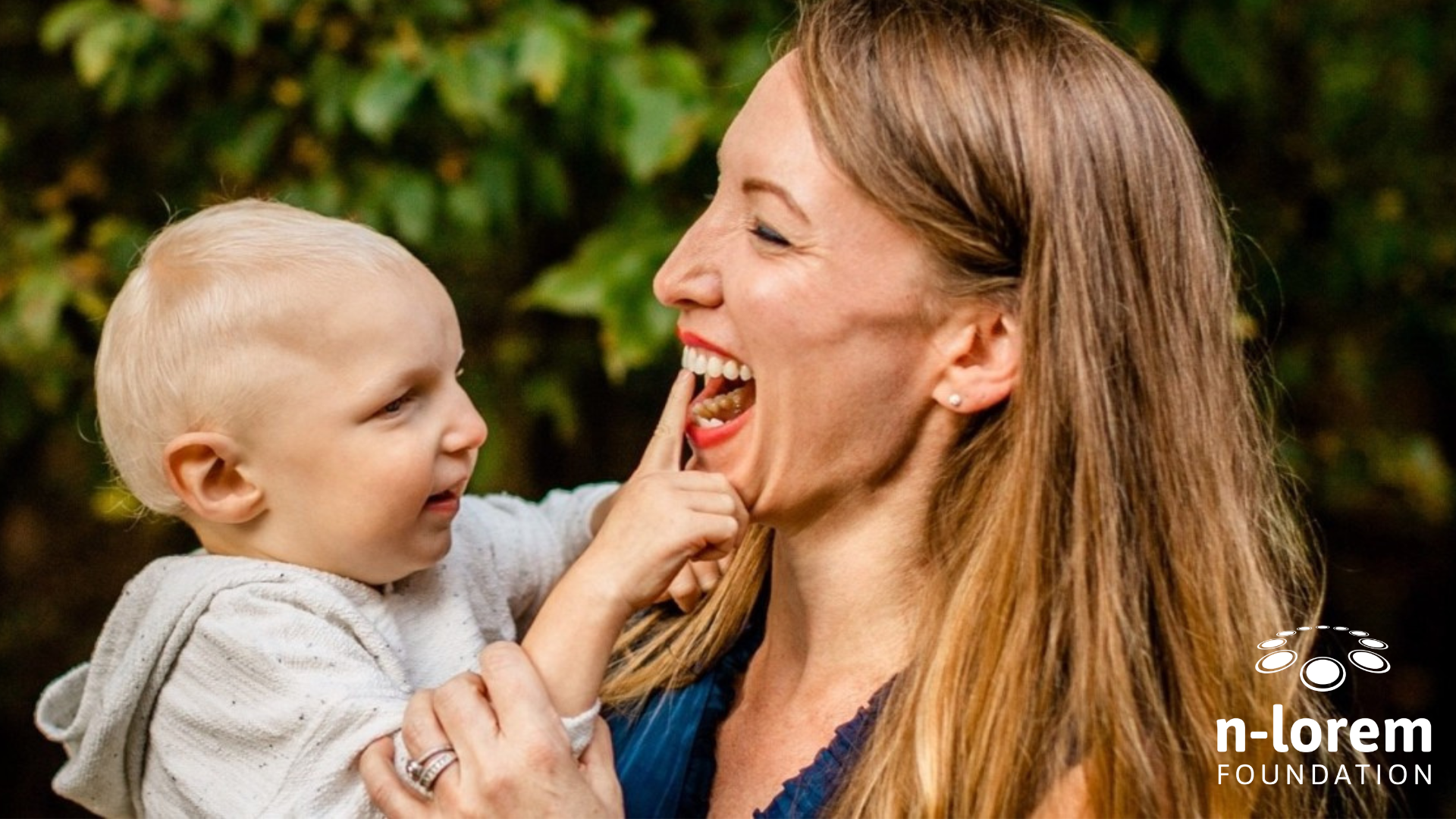
Realities of the Nano-rare with Sarah Glass

We cannot do
this alone
Together we are changing the world—
one patient at a time
We hope that you join us on this journey to discover, develop and provide individualized antisense medicines for free for life for nano-rare patients. The ultimate personalized medicine approach – for free, for life.

Nano-rare patients need your support
For free, for life.
Follow us on social for updates on our latest efforts


